
Use of Cutting Fluids in CNC Machining: Why Does It Matter?


The use of cutting fluids is an important part of many CNC machining operations. During cutting, friction between the tool, workpiece, and chips generates heat that can affect tool wear, surface finish, and dimensional accuracy.
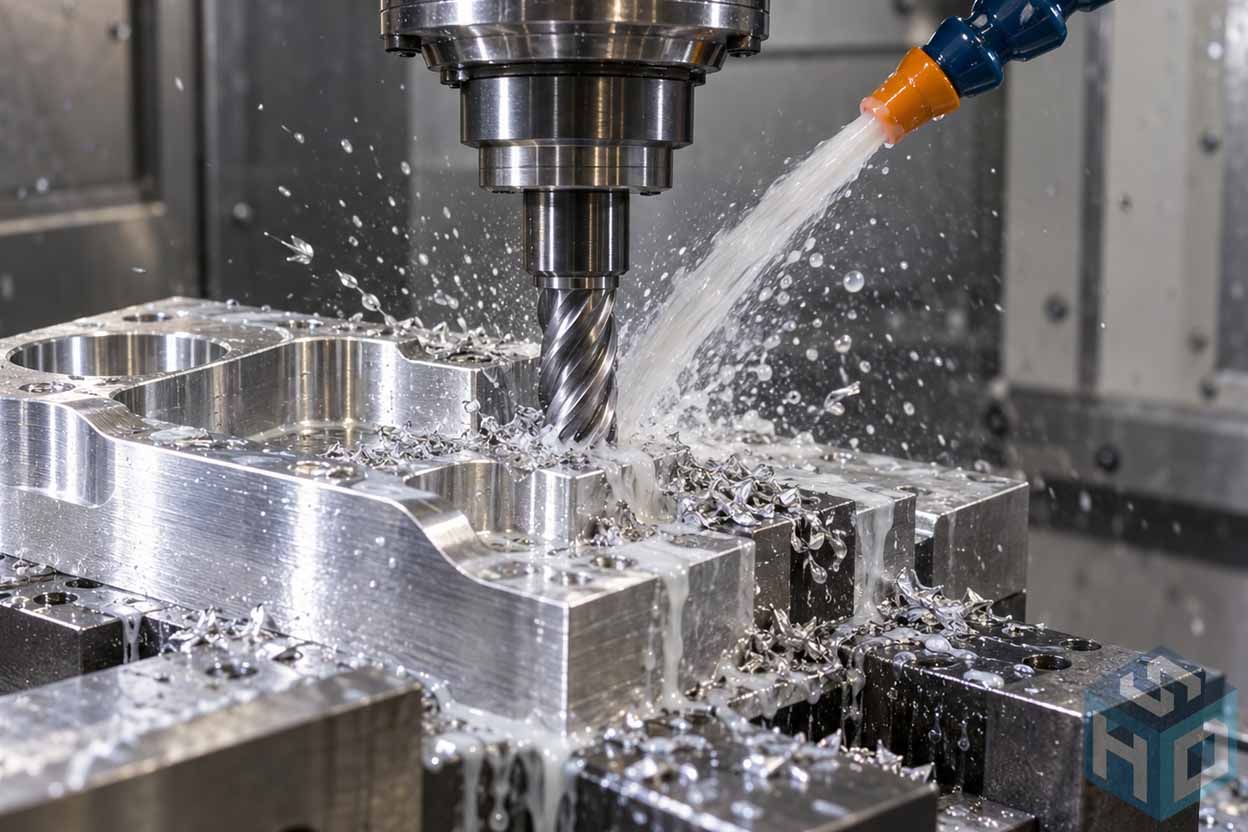
Cutting fluids help manage these conditions by providing cooling, lubrication, chip removal, and, where appropriate, corrosion protection. However, not every machining operation requires the same fluid. Material properties, cutting speed, tooling, and machining methods all influence the selection.
How the Use of Cutting Fluids Affects Machining Quality
Cutting fluids perform two main functions: cooling and lubrication. Cooling helps reduce excessive temperature around the cutting area, while lubrication reduces friction between contacting surfaces. Depending on the machining operation, one function may be more important than the other. For example, milling and drilling can benefit from cooling and effective chip evacuation, while some tapping operations require stronger lubrication to manage friction and tool loading.
Different Cutting Fluids Have Different Functions
Common metalworking fluids include straight cutting oils, soluble oils, semi-synthetic fluids, and synthetic fluids. Straight oils are typically selected for applications where lubrication is especially important. Water-miscible fluids are widely used when cooling performance is a major consideration.
Choosing CNC machining coolant requires reviewing the workpiece material, tool type, machine compatibility, and required surface condition. A fluid suitable for aluminum machining may not be the most appropriate choice for stainless steel or titanium. Manufacturer recommendations and material compatibility should therefore be checked before changing fluid systems.
Cutting Fluids Can Improve Surface Quality
Excessive heat and friction may contribute to tool wear, poor chip control, or unwanted changes in the machined surface. Properly applied cutting fluid can help maintain more stable cutting conditions and reduce friction at the cutting interface. This is particularly relevant when machining precision bores, deep holes, threaded features, or surfaces requiring consistent finishes.
However, simply increasing coolant flow does not always improve results. Nozzle position, delivery pressure, fluid condition, and chip evacuation must match the machining operation.
Fluid Maintenance Should Not Be Overlooked
Metalworking fluid maintenance is essential for keeping the cooling system effective. Water-miscible cutting fluids require appropriate concentration control and monitoring for contamination. Metal chips, tramp oil, microbial growth, and changes in fluid chemistry can affect performance and workplace conditions. Routine checks may include:
- Coolant concentration and fluid level
- Unusual odor or discoloration
- Floating oil and metal debris
- Filtration and nozzle condition
- Excessive foaming or leakage
Poorly maintained fluids can also create skin-contact and airborne-mist hazards. Machine enclosures, ventilation, safe handling, and proper fluid management should follow workplace procedures and supplier guidance.
Conclusion
The use of cutting fluids contributes to stable CNC machining by managing heat, friction, chip removal, and surface conditions. Selecting the correct fluid is only part of the process. Proper application, monitoring, and maintenance are equally important for achieving consistent results while managing equipment and workplace risks.
Precision CNC Machining Support from SHD PROTOTYPE
SHD PROTOTYPE supports custom CNC machining projects based on customer drawings, material specifications, critical tolerances, and surface requirements. For precision components, reviewing cutting conditions, tooling, workholding, and finishing expectations helps establish a practical machining approach suited to the material and intended application.
Frequently Asked Questions
- Q&A 01 | Can CNC machining be performed without cutting fluids?
Yes. Some operations use dry machining or minimum quantity lubrication (MQL). Suitability depends on the workpiece material, cutting tool, machining parameters, and the manufacturer's recommendations.
- Q&A 02 | Can different brands of cutting fluids be mixed?
Not without confirming compatibility. Different formulations may contain additives that are not compatible, potentially affecting emulsion stability or machining performance. The fluid supplier should be consulted before mixing products.
- Q&A 03 | How should used CNC cutting fluids be disposed of?
Used fluids should be collected and managed according to their composition, contamination level, supplier instructions, and applicable local waste requirements. They should not be discharged into drains without an authorized treatment or disposal route.