
Essential Safety Operating Procedures for CNC Lathes


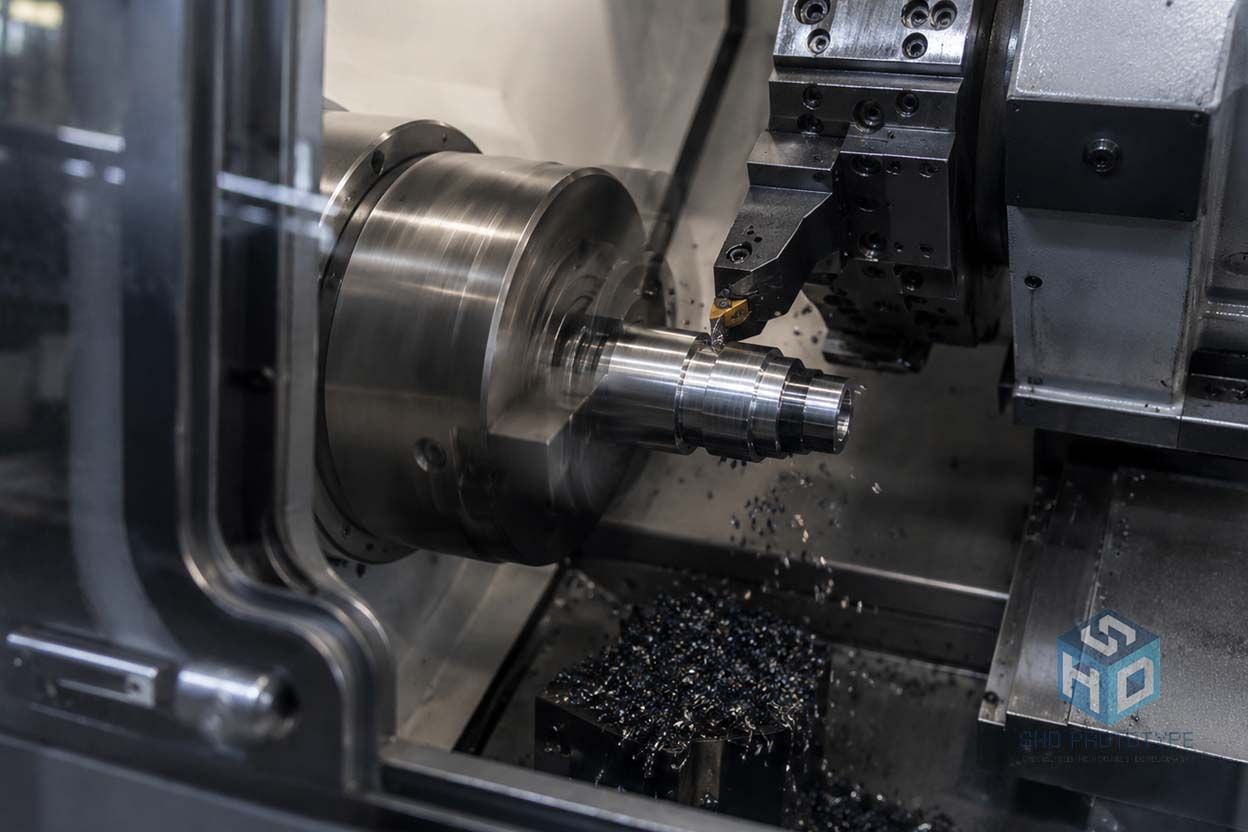
Safety operating procedures for cnc lathes help reduce risks associated with rotating workpieces, cutting tools, flying chips, incorrect setup, and unexpected machine movement. CNC automation reduces some manual operations, but it does not remove the need for trained operators, secure workholding, machine guards, and careful setup verification.
OSHA identifies rotating parts, points of operation, flying chips, and sparks as hazards that require appropriate machine guarding. Operators should always follow the machine manufacturer's manual and the safety procedures established for the specific workshop.
Safety Operating Procedures for CNC Lathes Before and During Machining
Before starting a CNC lathe, the operator should inspect the machining area and confirm that the workpiece, cutting tools, chuck, fixtures, and guards are properly positioned.
The workpiece must be held securely because a loose component can become dangerous once the spindle begins rotating. Tool offsets, work coordinates, spindle speed, feed rate, and program information should also be checked before automatic machining begins.
For a new program or setup, verification at a controlled speed can help identify unexpected tool movements, clearance problems, or possible collisions before normal production starts.
Keep Guards Closed During Operation
Machine doors and protective guards should remain in their intended operating position while the spindle is running. OSHA requires machine safeguards to protect workers from dangerous moving parts and prevent access to hazardous operating areas.
Operators should not reach into the machining area while the spindle or other moving components are active.
Metal chips also require care. Turning operations can produce long, sharp, or hot chips that may remain around the cutting area. Chips should be removed only after the machine reaches a safe condition and with appropriate chip-handling tools rather than by hand.
Stop the Machine Before Adjustments
Tool replacement, workpiece adjustment, measurement, cleaning, and troubleshooting should be performed only under the safe machine condition required by the equipment and workplace procedure.
Maintenance or repair may require additional energy-isolation procedures. Operators should never bypass interlocks or guards simply to make setup or production faster.
Good CNC lathe safety also depends on housekeeping. Coolant, chips, tools, and unused materials should not accumulate around the operating area where they can interfere with movement or create additional hazards.
Conclusion
Safety operating procedures for cnc lathes combine correct setup, secure workholding, machine guarding, program verification, safe chip handling, and controlled shutdown procedures.
Because CNC machines differ in configuration and control systems, general safety guidance cannot replace the manufacturer's instructions or a company's approved operating procedure. A safe machining process begins with trained personnel who understand both the CNC program and the physical hazards of rotating equipment.
CNC Machining Support from SHD PROTOTYPE
SHD PROTOTYPE supports custom CNC machining projects based on part drawings, three-dimensional models, materials, dimensional requirements, and functional features.
Proper machining preparation considers not only part accuracy and production efficiency but also practical workholding, tool access, setup planning, and stable machining conditions throughout production.
Frequently Asked Questions
Q1: What clothing should be avoided around a CNC lathe?
Loose clothing, jewelry, unsecured long hair, and other items that could become caught in rotating equipment should be kept away from the machine. Rotating components can create serious entanglement hazards even at relatively low speeds.
Q2: Can a CNC lathe be left running unattended?
This depends on the machine, process, safeguarding system, and facility rules. Automated operation should only be used when the equipment and approved operating procedure specifically support it.
Q3: What should an operator do if coolant begins leaking around the machine?
The situation should be addressed according to the workshop's approved procedure. A leak that creates a slipping, electrical, visibility, or machine-operation hazard should not simply be ignored while production continues.