
How Precision CNC Turned Parts Stay Consistent Across Repeat Orders


Precision CNC turned parts must meet drawing requirements not only during initial sampling but also across repeated production orders. For OEM buyers, a qualified first batch is a useful starting point, but it does not automatically guarantee that future shipments will have the same dimensional accuracy and surface quality.
Consistent turning results depend on material condition, workholding, tool wear, machining parameters, inspection, and production records. A reliable manufacturing plan should control these factors throughout the project rather than focusing only on the first approved sample.
What Keeps Precision CNC Turned Parts Within Tolerance?
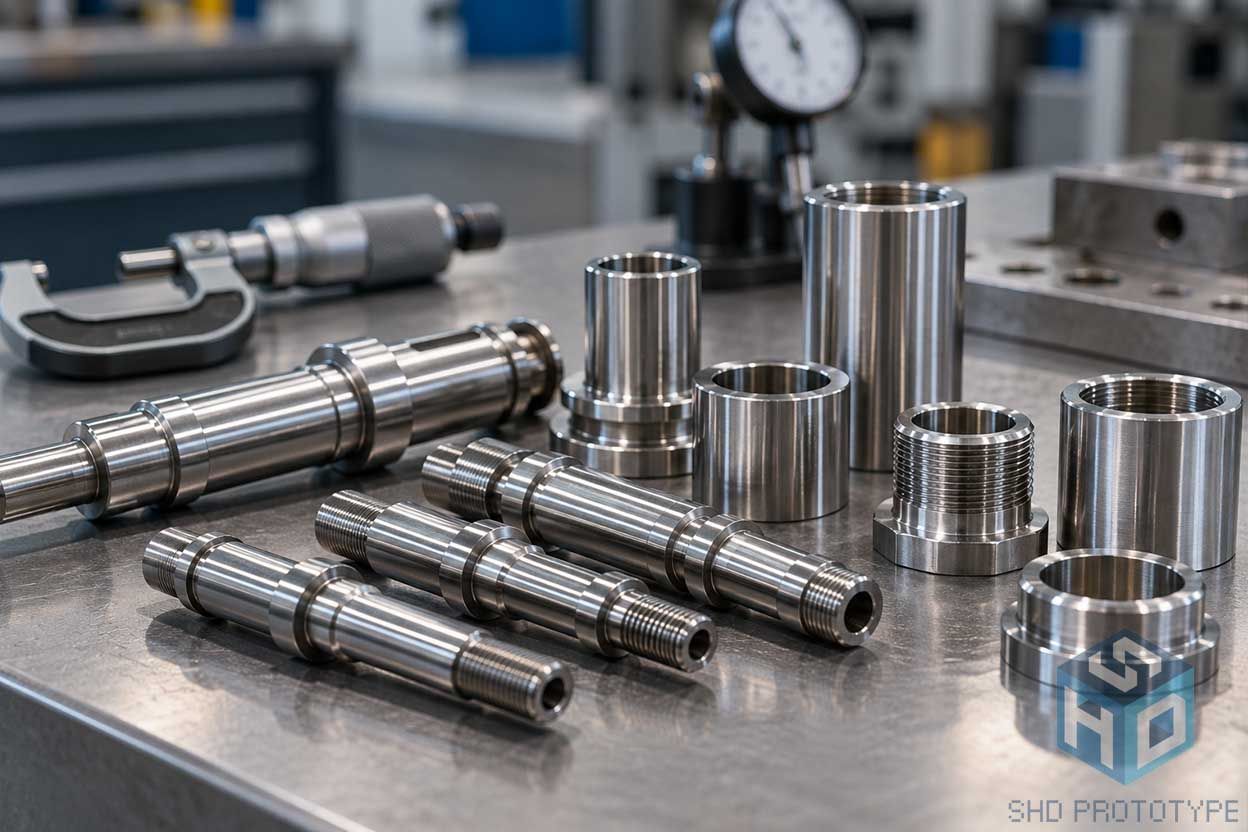
CNC turning produces cylindrical components such as shafts, bushings, pins, threaded fittings, and precision sleeves. Although CNC programs can repeat the same tool paths, actual dimensions may change because of tool wear, temperature variation, material differences, or workholding conditions.
For this reason, CNC turning tolerance should be evaluated according to the specific features on the drawing. A shaft diameter, bearing seat, internal bore, and threaded section may require different machining and inspection approaches.
First-Piece Inspection Establishes the Starting Point
Before a production batch begins, first-piece inspection can help verify whether the setup produces parts within the required dimensions. Critical features may include:
- External and internal diameters
- Overall length and shoulder positions
- Concentricity and runout
- Thread dimensions
- Surface roughness
- Chamfers and edge conditions
The inspection method should match the drawing requirements. Measuring an external diameter with a micrometer, for example, does not establish whether the part also meets its specified runout or surface-finish requirements.
Tool Wear Can Affect Batch Consistency
Turning tools gradually wear during production. As the cutting edge changes, dimensions and surface conditions may also change. A precision CNC turned parts supplier should therefore consider tool replacement intervals, cutting conditions, and appropriate inspection checkpoints when planning repeat production.
Stable workholding is equally important. Changes in chucking pressure, collet condition, or workpiece positioning can influence dimensional relationships, particularly for thin-walled or delicate components.
Repeat Orders Need Consistent Production Information
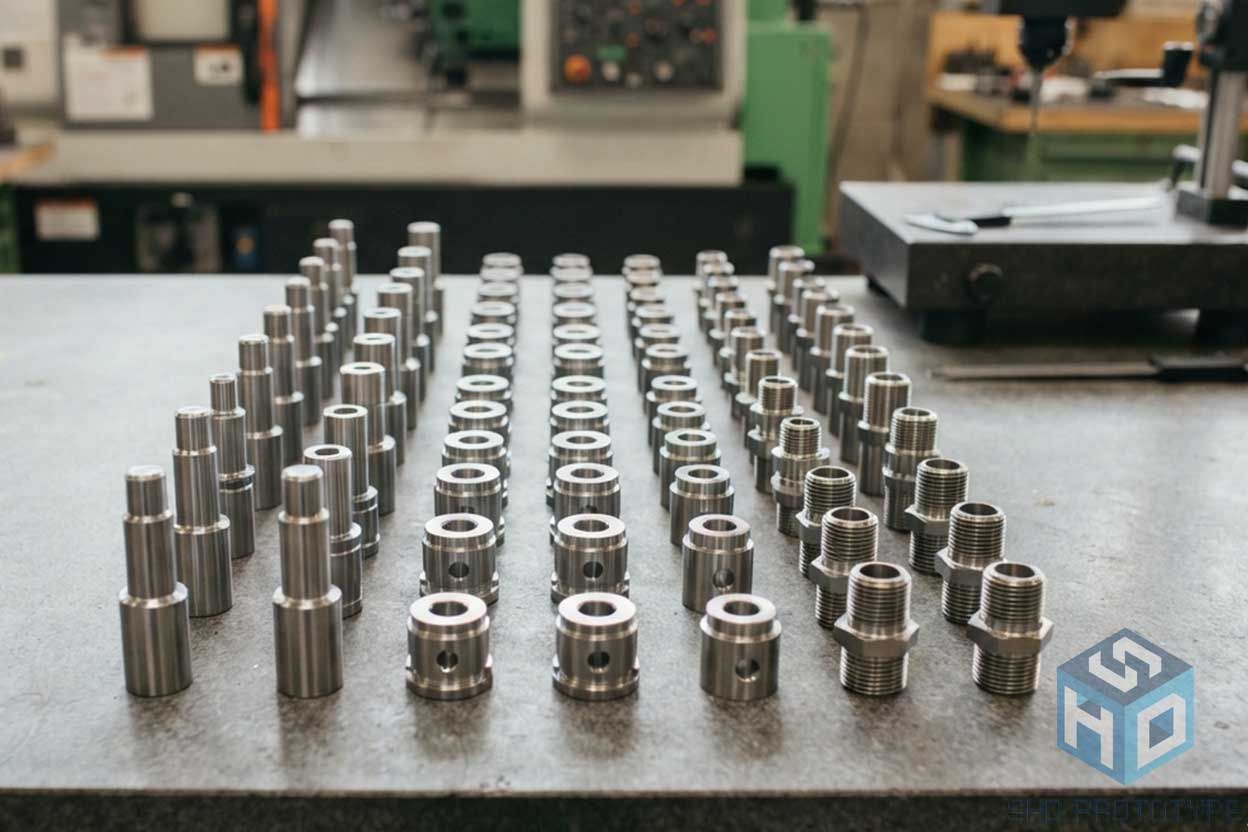
A repeat order should not be treated as a completely new project when the approved design remains unchanged. The drawing revision, material grade, critical dimensions, finishing requirements, and agreed inspection criteria should remain clearly identified.
If a machining program, fixture, material source, or process sequence changes, the potential impact on part quality should be reviewed before production continues. For OEM buyers, this type of communication can be more valuable than a general promise of high precision.
Inspection Records Support Supplier Evaluation
A supplier's machining capability should be evaluated through actual parts and appropriate inspection evidence, not only through the machine's advertised positioning accuracy. Buyers may request first-piece results, dimensional inspection reports, material documentation, or additional production checks according to the importance of the component. The required inspection scope should be agreed upon before placing an order, especially when parts are intended for recurring assembly programs.
Conclusion
Reliable precision CNC turned parts depend on repeatable machining conditions, clear drawings, suitable tooling, and consistent dimensional verification.
For procurement and quality teams, supplier evaluation should consider not only whether the first sample passes inspection but also how production variables and engineering changes are managed across future orders.
CNC Turning Project Support from SHD PROTOTYPE
SHD PROTOTYPE supports custom CNC machining projects based on customer drawings, material specifications, dimensional requirements, and expected order quantities.
For recurring OEM projects, early discussion of critical tolerances, inspection expectations, machining features, and production revisions can help establish a practical manufacturing plan aligned with long-term purchasing requirements.