
How Multi-Axis Machined Parts Support Complex Precision Projects


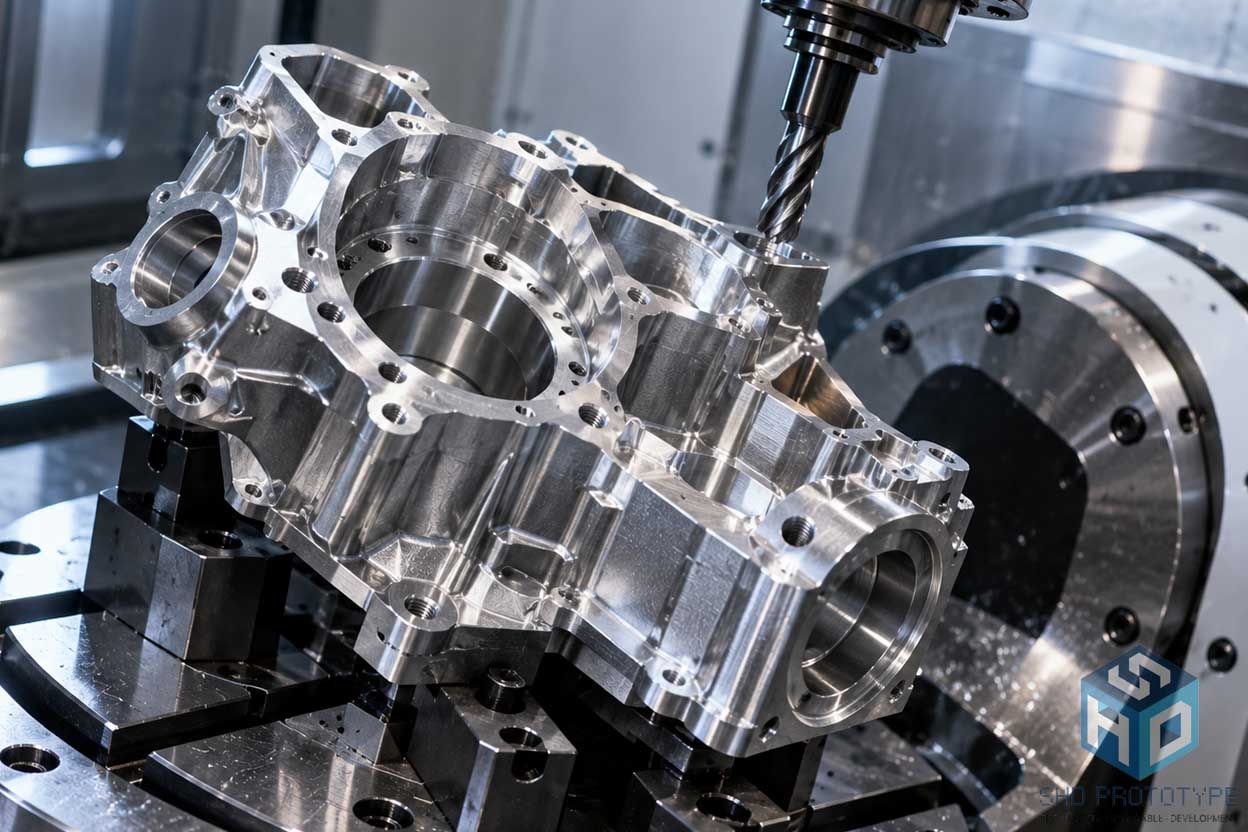
Multi-axis machined parts are commonly used when a component contains features on several faces, angled holes, curved surfaces, deep pockets, or dimensions that are difficult to complete through conventional machining setups.
Instead of repeatedly removing and repositioning the workpiece, multi-axis CNC machining allows the cutting tool or part to approach the geometry from different directions. This can simplify the machining sequence and help maintain more consistent relationships between critical features.
For custom and prototype components, the main advantage is not simply using more machine axes. The real value comes from improving tool access while reducing unnecessary setups.
Why Multi-Axis Machined Parts Need Careful Process Planning
Complex geometry often creates challenges that are not obvious from a 3D model. A deep pocket may require a long cutting tool, increasing the risk of vibration. Small internal radii may need smaller cutters and longer machining time. Features located on several sides of a component may also require careful datum planning so that their positions remain consistent.
Multi-axis machining can reduce some of these difficulties by allowing the tool to reach angled or recessed areas more directly. This is particularly useful for precision CNC components with:
- Angled holes and bores
- Complex curved surfaces
- Features on multiple faces
- Deep cavities
- Closely related mounting surfaces
- Irregular external profiles
- Fewer Setups Can Improve Consistency
Every time a workpiece is removed and reclamped, another alignment variable is introduced.
By completing more features within one setup, multi-axis CNC machining can reduce repeated positioning and help preserve dimensional relationships between different areas of the part. This does not eliminate the need for good fixturing. The component still needs stable support, suitable clamping locations, and a clear datum strategy.
Thin walls or delicate features may deform if clamping pressure is too high, while insufficient support can cause vibration during cutting.
Design Still Affects Machinability
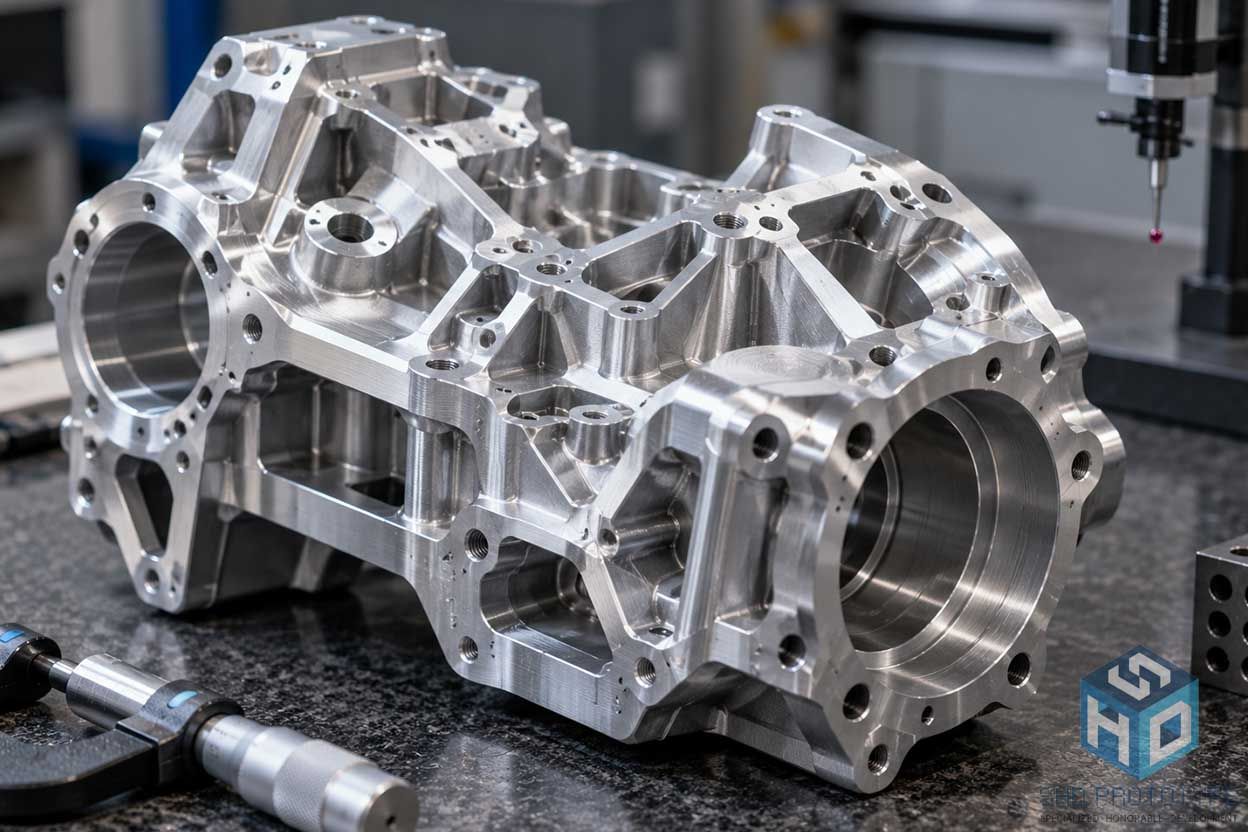
Multi-axis capability does not make every design easy to manufacture. Tool diameter, tool length, cutter access, wall thickness, corner radius, and machining sequence still influence cost and stability. In some cases, a small design adjustment can significantly simplify production without changing the function of the component.
Early manufacturability review is therefore useful before machining begins, especially for prototypes or highly customized parts.
Conclusion
Multi-axis machined parts combine complex geometry with controlled machining access and fewer unnecessary setups.
For buyers, the most important step is to identify critical dimensions, mating surfaces, difficult-to-reach features, and functional requirements before production. This allows the machining strategy to focus on the areas that matter most.
Multi-Axis Machining Support from SHD PROTOTYPE
SHD PROTOTYPE supports custom CNC machining projects based on customer drawings, 3D models, materials, critical dimensions, and functional requirements.
For complex parts, early review of tool access, datum relationships, fixture planning, and machining sequence can help establish a more practical route from prototype development to repeatable production.